5 Common Swedish Idioms Every Swedish Learner Should Know

Learning Swedish is not only about grammar rules, vocabulary and pronunciation. To understand Swedes more naturally, it is worth getting familiar with everyday idioms and sayings as well.

Idioms are fixed expressions that cannot always be translated literally. English has many of them too, such as โ€œto buy a pig in a pokeโ€, โ€œto throw in the towelโ€ or โ€œto hit the nail on the headโ€. Swedish also has a wide range of vivid, humorous and culturally interesting expressions.

In this article, we introduce 5 common Swedish idioms that you may come across in films, conversations, workplace situations or even when preparing for a language exam.

Why is it worth learning Swedish idioms?

Idioms help learners move beyond โ€œtextbook Swedishโ€ and understand real, everyday language use. Native Swedish speakers often use short phrases, figurative expressions and culturally embedded sayings.

For adult language learners, these expressions are especially useful because they help improve listening comprehension, make your own language use more colourful and offer insight into Swedish ways of thinking.

However, it is important to learn idioms in context. It is not enough to know the literal meaning; it is also worth understanding when they are used and what tone they carry.


1. Ingen ko pรฅ isen

Literal meaning: no cow on the ice
Natural English equivalent: no reason to worry; no problem; no danger
Meaning: there is no immediate danger or problem

Ingen ko pรฅ isen is one of the best-known and most charming Swedish idioms. Literally, it means โ€œno cow on the iceโ€, but in practice it means that everything is fine and there is no reason to worry.

The image probably comes from old rural life: if a cow ended up on the ice, that could indeed be a dangerous situation. But if there is no cow on the ice, there is no problem.

Example:

Det รคr ingen ko pรฅ isen.
There is nothing to worry about. / No problem.

This expression shows how visual Swedish sayings can be. In English, we would not translate it literally, but rather say something like โ€œthere is no reason to worry.โ€


2. Att ana ugglor i mossen

Literal meaning: to suspect owls in the marsh
Natural English equivalent: something seems suspicious; something smells fishy; to suspect something is wrong
Meaning: to feel that something is not quite right

Att ana ugglor i mossen means that someone is suspicious, has a bad feeling about something or senses that something is not right.

Example:

Jag anar ugglor i mossen.
Something seems suspicious to me. / I suspect something is wrong.

The expression is especially interesting because it uses an old-fashioned, almost folkloric image. Owls and marshes together create a mysterious, slightly unsettling scene โ€” exactly the kind of feeling we have when we sense that something is wrong.

Its origin is often linked to the Danish expression ulve i mosen, meaning โ€œwolves in the marshโ€. In Swedish, this eventually became the expression we know today: โ€œowls in the marshโ€.


3. Att ha is i magen

Literal meaning: to have ice in oneโ€™s stomach
Natural English equivalent: to keep a cool head; to stay calm; to have nerves of steel
Meaning: to remain calm in an uncertain or tense situation

Att ha is i magen is a very useful Swedish expression. It means that someone does not panic, stays calm and is able to wait patiently.

Example:

Du mรฅste ha lite is i magen.
You need to keep a cool head. / You need to be patient.

When describing someoneโ€™s character, English expressions such as โ€œto have nerves of steelโ€ or โ€œto keep a cool headโ€ can work well:

Hon har verkligen is i magen.
She really has nerves of steel. / She really knows how to keep calm.

This phrase is common in business, workplace and sports-related situations, where it is important to remain calm and avoid rushing into decisions.


4. Att kรถpa grisen i sรคcken

Literal meaning: to buy the pig in the sack
Natural English equivalent: to buy a pig in a poke; to buy something unseen
Meaning: to buy or accept something without knowing exactly what you are getting

This expression is very close to English. In English, the traditional expression is โ€œto buy a pig in a pokeโ€, while in Swedish the image is โ€œto buy the pig in the sack.โ€

Example:

Jag vill inte kรถpa grisen i sรคcken.
I donโ€™t want to buy a pig in a poke. / I donโ€™t want to buy something without knowing what Iโ€™m getting.

This is a good example of how different languages often express similar life situations through similar images, even if the exact wording may vary.


5. Att kasta in handduken

Literal meaning: to throw in the towel
Natural English equivalent: to throw in the towel; to give up
Meaning: to stop trying, to give up

Att kasta in handduken is almost identical to the English expression โ€œto throw in the towel.โ€ It means to give up or stop continuing with something.

Example:

Efter tre fรถrsรถk kastade han in handduken.
After three attempts, he threw in the towel. / He gave up.

The expression comes from boxing. Throwing a towel into the ring signalled that the boxer or the boxerโ€™s team was giving up the fight. Today, the phrase is used figuratively in Swedish, English and several other languages.


Useful Swedish idioms at a glance

Swedish idiomLiteral meaningNatural English equivalent
Ingen ko pรฅ isenno cow on the iceno reason to worry
Ana ugglor i mossento suspect owls in the marshsomething seems suspicious
Ha is i magento have ice in oneโ€™s stomachto keep a cool head / to have nerves of steel
Kรถpa grisen i sรคckento buy the pig in the sackto buy a pig in a poke
Kasta in handdukento throw in the towelto give up

How can you learn Swedish idioms effectively?

It is not very effective to memorise idioms in long lists. It is much better to connect each expression to a specific situation.

For example:

When someone is worried: Det รคr ingen ko pรฅ isen.
When something seems suspicious: Jag anar ugglor i mossen.
When someone stays calm: Hon har is i magen.
When someone does not want to take a risk: Jag vill inte kรถpa grisen i sรคcken.
When someone gives up: Han kastade in handduken.

This way, the idiom becomes more than an interesting phrase โ€” it becomes a useful expression you can actually recognise and use.

Swedish language learning for adults

Learning Swedish as an adult is often a conscious decision: people may start because of work, relocation, exams, family connections or personal interest. Alongside grammar, vocabulary and pronunciation, natural expressions also play an important role.

At InterLanguage Language Centre, Swedish can be studied online or in the classroom, in individual or small-group courses. In Swedish lessons, grammar foundations can be combined with communicative situations, everyday expressions and cultural topics.

If you would like to understand and use Swedish more confidently, it is worth learning not only individual words, but also common phrases and idioms.


Final thought

Swedish sayings may sometimes seem strange at first, but that is exactly what makes them memorable. Language learning becomes truly alive when we begin to see not only words, but also images, situations and cultural references behind them.

Swedish idioms help us do exactly that: they bring us closer to everyday Swedish speech and show how much playfulness and history a language can carry.

Why Are Swedish Words So Long?

Why Are Swedish Words So Long? Interesting Facts About Swedish Compound Words

At first hearing, Swedish often sounds melodic and slightly sing-song to many learners. In writing, however, there is another feature that immediately stands out: Swedes love compound words.

What Hungarian or English often expresses in several separate words, Swedish frequently condenses into one long word. At first, this may seem intimidating, but in reality, there is a very logical system behind it. Once we learn how to โ€œtake these words apartโ€, Swedish vocabulary becomes much easier to understand.

How Is a Swedish Compound Word Built?

Swedish compound words usually consist of two or more independent words. The most important rule is this: the final element tells us what the word is about, while the preceding elements specify its meaning.

For example:

jรคrnvรคgsstation
= jรคrnvรคg + station
= railway + station
= railway station

The final element, station, tells us that we are talking about a station. Jรคrnvรคg simply specifies what kind of station it is: a railway station.

This is why Swedish compound words are often worth interpreting from the end backwards: what is the basic meaning, and what specifies it?

The Famous Long Swedish Word: realisationsvinstbeskattning

One of the best-known long Swedish dictionary examples is:

realisationsvinstbeskattning
Dictionary entry โ€“ Svenska.se
Pronunciation โ€“ Forvo

Its meaning is: capital gains taxation, that is, the taxation of profit made from the sale of an asset.

Letโ€™s break it down:

realisation = sale, realization
vinst = profit, gain
realisationsvinst = capital gain
beskattning = taxation

So we get:

realisationsvinst + beskattning
= capital gain + taxation
= realisationsvinstbeskattning

This word is a perfect example of how Swedish is not necessarily โ€œmore complicatedโ€; it simply packages information differently. What may be expressed in several words in English can often appear as one long word in Swedish.

Pronunciation Tip

Long Swedish compound words should not be pronounced letter by letter or as completely separate parts. It is better to read them rhythmically:

rea-li-sa-tions-vinst-be-skatt-ning

The main stress is usually on the first larger unit, and later a secondary stress may also appear. This is part of what gives Swedish its characteristic melody: the word does not sound flat, but rather moves in waves.

Fun Fact: Are There Even Longer Swedish Words?

Yes โ€” but here comes the twist.

In Swedish, compound words can theoretically be extended almost endlessly, because new elements can be added one after another. This means there is no single definitive answer to the question: โ€œWhat is the longest Swedish word?โ€

One frequently mentioned linguistic record example is:

nordvรคstersjรถkustartilleriflygspaningssimulatoranlรคggningsmaterielunderhรฅllsuppfรถljningssystemdiskussionsinlรคggsfรถrberedelsearbete

This is an artificially created example, used mainly as a linguistic curiosity. It is not a word you would hear in everyday Swedish conversation.

Roughly, it can be broken down as follows:

nordvรคster = north-western
sjรถkust = sea coast
artilleri = artillery
flygspaning = aerial reconnaissance
simulator = simulator
anlรคggning = facility, installation
materiel = equipment, material
underhรฅll = maintenance
uppfรถljning = follow-up, monitoring
system = system
diskussion = discussion, debate
inlรคgg = contribution, comment, post
fรถrberedelsearbete = preparatory work

In English, it would mean approximately:

the preparatory work for a discussion contribution related to the maintenance follow-up system for the equipment of a north-western coastal artillery aerial reconnaissance simulator facility

No wonder even Swedes do not use this word when writing a shopping list.

Smรถrgรฅsbord โ€“ The Swedish Word That Travelled the World

Among Swedish compound words, there are some that are not only long or interesting, but also culturally significant. One of them is:

smรถrgรฅsbord
Dictionary search โ€“ Svenska.se
Pronunciation โ€“ Forvo

Its meaning is: buffet, especially a generous Swedish-style buffet with cold and warm dishes.

The word consists of:

smรถrgรฅs = sandwich, open sandwich, bread with butter or toppings
bord = table

So:

smรถrgรฅs + bord
= sandwich + table
= smรถrgรฅsbord

The word smรถrgรฅs itself is a true linguistic fun fact. Smรถr means butter, while gรฅs means goose. Today, of course, the word no longer means โ€œbutter gooseโ€; it means sandwich or buttered bread. According to one traditional explanation, small pieces of butter formed during butter-making may have floated on the surface like geese on water. This may have inspired the figurative name.

It is one of the best examples of how the meaning of a compound word can gradually move away from the literal meaning of its original elements.

Sjukskรถterska โ€“ The Word with the Swedish โ€œsjโ€ Sound

Anyone learning Swedish will sooner or later come across this word:

sjukskรถterska
Dictionary entry โ€“ Svenska.se
Pronunciation โ€“ Forvo

Its meaning is: nurse.

The word consists of:

sjuk = sick, ill
skรถterska = carer, nurse

So:

sjuk + skรถterska
= a person who cares for the sick
= sjukskรถterska

This word is especially interesting from a pronunciation point of view, because it starts with the famous Swedish sj sound. For Hungarian or English speakers, this sound may be difficult at first, as it has no exact equivalent. It is somewhere between an โ€œshโ€, an โ€œhโ€ and a more retracted, hushing sound โ€” and it may also vary from region to region.

That is why sjukskรถterska is an excellent practice word for Swedish learners: it allows you to practise the sj sound, the รถ sound and the rhythm of longer compound words all at once.

Jรคrnvรคgsstation โ€“ When the Linking s Appears

One important feature of Swedish compound words is the linking s, known in Swedish as foge-s.

For example:

jรคrnvรคgsstation
Dictionary search โ€“ Svenska.se
Pronunciation โ€“ Forvo

Its meaning is: railway station.

The word consists of:

jรคrn = iron
vรคg = road, way
jรคrnvรคg = railway
station = station

The full word is:

jรคrnvรคg + s + station
= railway + linking s + station
= jรคrnvรคgsstation

The linking s appears in many Swedish compound words. It is not always easy to predict in advance when it should be used, because there are patterns as well as exceptions. The good news for language learners is that the more Swedish words we see and hear, the more natural this pattern becomes.

More Similar Examples

arbetsmarknad = labour market
Dictionary search โ€“ Svenska.se

arbete = work
marknad = market

universitetssjukhus = university hospital
Dictionary search โ€“ Svenska.se
Pronunciation โ€“ Forvo

universitet = university
sjukhus = hospital

Interesting detail: because of the linking s and the initial s in sjukhus, we see two s letters next to each other: universitetssjukhus.

uppehรฅllstillstรฅnd = residence permit
Dictionary search โ€“ Svenska.se
Pronunciation โ€“ Forvo

uppehรฅll = stay, pause, interruption
tillstรฅnd = permit, permission, condition

Together: residence permit.

Fรถrรคldraledighet โ€“ A Swedish Word That Reflects Swedish Society

Many Swedish compound words also tell us something about Swedish society. One example is:

fรถrรคldraledighet
Dictionary entry โ€“ Svenska.se
Pronunciation โ€“ Forvo

Its meaning is: parental leave.

The word consists of:

fรถrรคlder = parent
ledighet = leave, time off, absence

In Swedish, the form of the word changes slightly in the compound:

fรถrรคlder + ledighet
โ†’ fรถrรคldraledighet

This word is not only linguistically interesting, but culturally significant as well. Sweden is often mentioned as an example when discussing family-friendly social systems. So in a single word, we do not only see grammar โ€” we also see social background and cultural values.

Why Is This Useful for Swedish Learners?

Long Swedish words may seem difficult at first, but they can actually help with vocabulary building. If we recognise the individual elements, we can often work out the meaning of new words.

Here are a few simple examples:

Swedish wordPartsMeaning
skolbokskola + bokschoolbook
bokhyllabok + hyllabookshelf
kaffekoppkaffe + koppcoffee cup
sommarjobbsommar + jobbsummer job
sprรฅkkurssprรฅk + kurslanguage course
sjukhussjuk + hushospital, literally โ€œsick houseโ€
tรฅgstationtรฅg + stationtrain station
huvudvรคrkstabletthuvud + vรคrk + tablettheadache tablet

The method is simple: do not be frightened by a long word. Instead, look for familiar parts inside it.

Pronunciation Fact: A Long Word Is Not Always More Difficult

One of the secrets of Swedish compound word pronunciation is rhythm. These words often have several stress points, which means they do not sound like one heavy block, but rather as smaller rhythmic units.

For example:

smรถrgรฅsbord
smรถr-gรฅs-bord

sjukskรถterska
sjuk-skรถt-er-ska

jรคrnvรคgsstation
jรคrn-vรคgs-sta-tion

realisationsvinstbeskattning
rea-li-sa-tions-vinst-be-skatt-ning

Vowels are also extremely important in Swedish. The letters รฅ, รค and รถ are not decorative marks; they are independent letters and can affect meaning. The word smรถrgรฅsbord, for instance, contains several excellent pronunciation practice points: รถ, รฅ and the final element -bord.

Why Do We Love These Words as Language Learners?

Because every long Swedish word is a small linguistic puzzle.

At first, realisationsvinstbeskattning may look intimidating, but once we break it down, it becomes logical: gain + taxation.

Sjukskรถterska is not a random string of letters, but sick + carer.

And smรถrgรฅsbord is not just a word, but a cultural icon: the origin of the Swedish buffet, a concept that has been adopted by many languages around the world.

This is one of the most exciting things about Swedish: words do not only carry meaning โ€” they also carry stories.

Learn Swedish Through Logic, Culture and Curiosity

Learning Swedish becomes much more enjoyable when we do not only memorise grammar rules, but also discover the logic and cultural background of the language. Compound words are especially helpful in this process: they show how the language thinks, how it builds new meanings and how it connects everyday concepts.

At InterLanguage Language Centre, our Swedish language courses focus not only on grammar, but also on practical language use, pronunciation, vocabulary building and cultural background.

If you would like to learn Swedish or refresh your previous knowledge, take a look at our Swedish language courses:

InterLanguage โ€“ Swedish language course

Short Summary

Swedish compound words may seem long and complicated at first, but they are actually highly logical. The key is to recognise the individual elements:

the final element gives the basic meaning,
the preceding elements specify it,
the linking s often helps build the word,
the pronunciation of long words is based on rhythm and stress,
Swedish compound words often hide cultural stories as well.

Next time you see a long Swedish word, do not be afraid of it. Treat it like a linguistic puzzle instead. You may already recognise some of its elements โ€” and that means you are already one step closer to understanding it.

Midsommar in Sweden

Midsommar in Sweden: Swedish Midsummer Traditions and Useful Vocabulary

If you are learning Swedish, Midsommar is one of the most important cultural topics to know. Alongside Christmas, Midsommar is often considered one of Swedenโ€™s most beloved and meaningful holidays.

For many Swedes, Midsommar is connected with summer, light evenings, music, dancing, traditional food and time spent with family and friends. It is not only a celebration of the season, but also a symbol of Swedish summer itself.

What is Midsommar?

Midsommar means Midsummer in English. In Sweden, it is celebrated at the end of June, around the time of the summer solstice, when the sun reaches its highest point in the sky.

This period is especially important in Sweden because the summer days are very long and the nights are bright. After a long and dark winter, the arrival of summer has a special emotional and cultural meaning.

For many people, Midsommar also marks the beginning of the holiday season and the start of the Swedish summer break.

Midsommar and Swedish summer

Midsommar is strongly connected to nature. Flowers, greenery, summer light and outdoor celebrations are all central parts of the holiday.

A typical Midsommar celebration may include:

  • raising or decorating aย majstรฅng,
  • dancing around the maypole,
  • singing traditional songs,
  • spending time with friends and family,
  • eating traditional Swedish summer food,
  • enjoying the light summer evening.

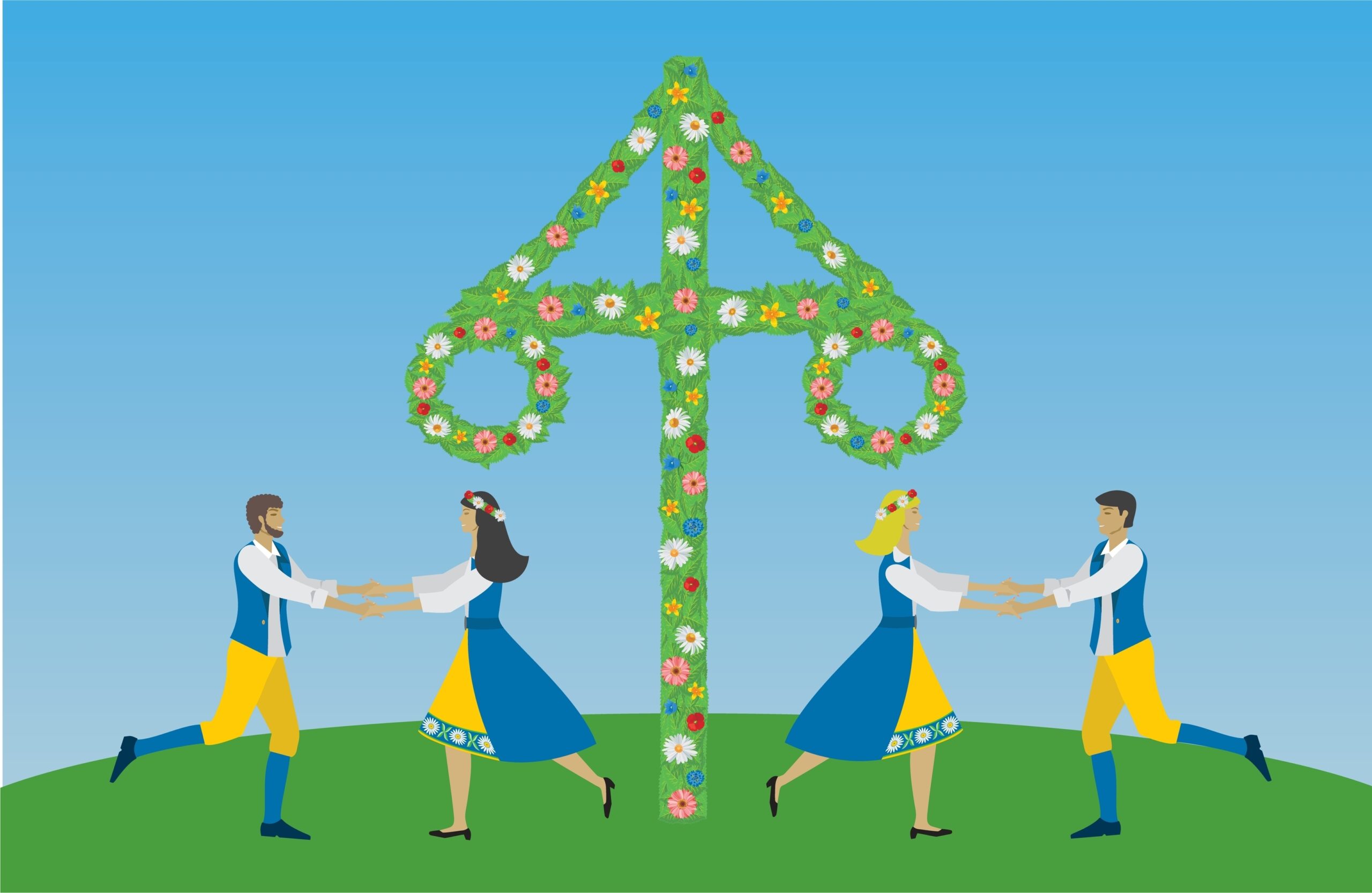
Although the word majstรฅng may look like it has something to do with May, it is actually used for the Midsummer pole. It is usually decorated with leaves and flowers and plays a central role in many celebrations.

Traditional Midsommar food

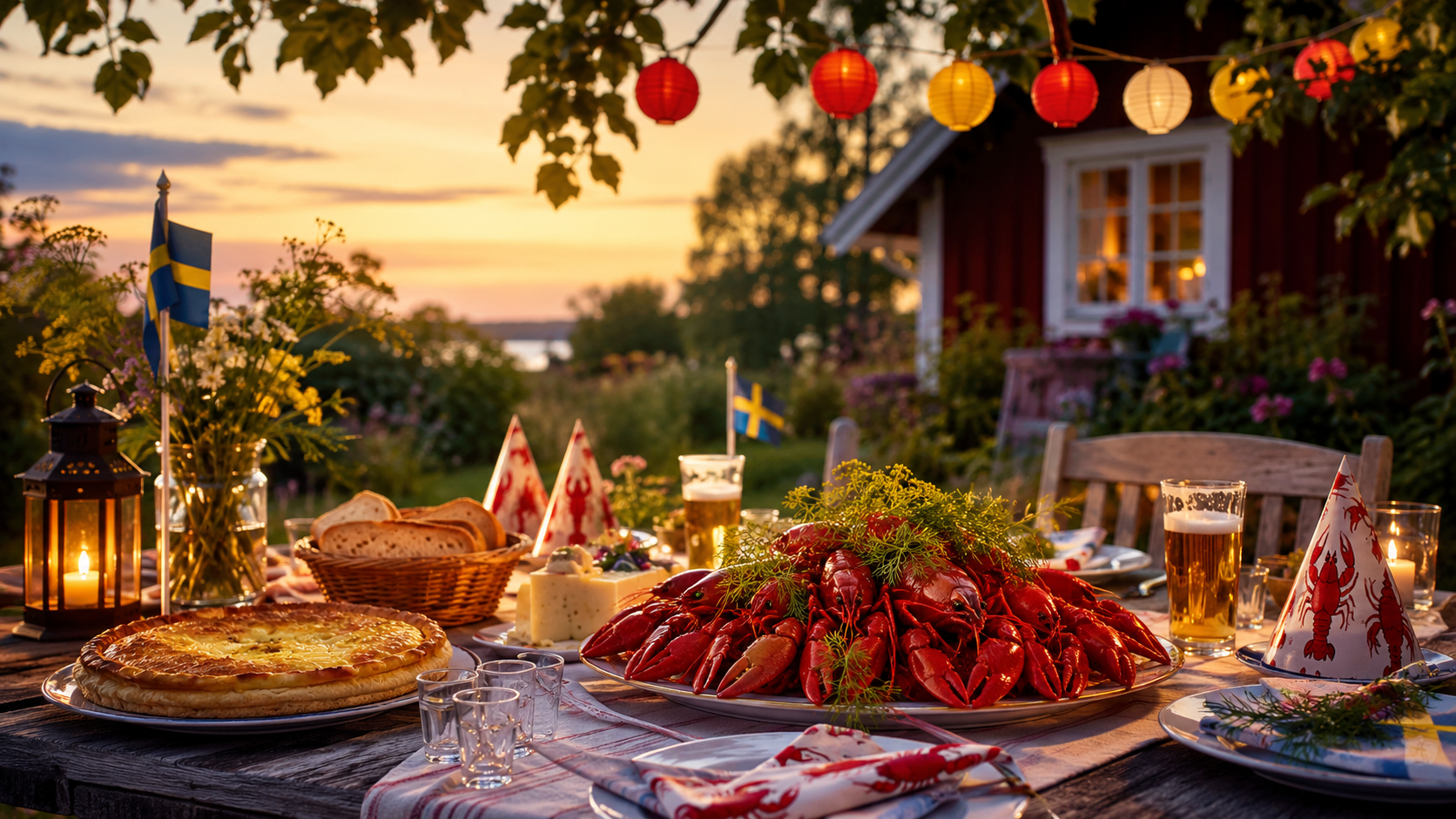
Food is an important part of Midsommar. A traditional Swedish Midsummer meal often includes:

sill โ€“ herring
fรคrskpotatis โ€“ new potatoes
grรคddfil โ€“ sour cream
grรคslรถk โ€“ chives
jordgubbstรฅrta โ€“ strawberry cake

Many adults also drink snaps, sometimes called nubbe, with the meal. Snaps is often connected with traditional Swedish drinking songs, known as snapsvisor.

For Swedish learners, Midsommar food vocabulary is very useful because these words appear frequently in recipes, menus, conversations and cultural texts about Sweden.

Useful Swedish vocabulary for Midsommar

SwedishEnglish
MidsommarMidsummer
midsommaraftonMidsummer Eve
hรถgtidholiday / celebration
sommarsummer
sommarsolstรฅndsummer solstice
ljus sommarnattbright summer night
majstรฅngmaypole / Midsummer pole
dansdance
musikmusic
umgรคngesocialising / spending time together
ledighettime off / holiday
sillherring
fรคrskpotatisnew potatoes
grรคddfilsour cream
grรคslรถkchives
jordgubbstรฅrtastrawberry cake
snaps / nubbesnaps

Language tip: Swedish compound words

Midsommar is also a great topic for learning Swedish compound words. Swedish often combines shorter words to create longer, more specific words.

For example:

midsommar
mid = middle
sommar = summer

jordgubbstรฅrta
jordgubbar = strawberries
tรฅrta = cake

sommarsolstรฅnd
sommar = summer
solstรฅnd = solstice

Once you learn to break Swedish words into smaller parts, many long words become easier to understand.

A cultural insight: the magic of the light summer night

Midsommar is not only about food and dancing. It is also connected to the atmosphere of the Swedish summer night: mild air, bright skies and a sense of mystery.

In Swedish culture, the light summer night has a special place. It is often associated with nature, romance, old traditions and folklore. This makes Midsommar more than just a public celebration โ€” it is also a deeply emotional symbol of summer.

For language learners, this is a good reminder that words often carry cultural meaning. When Swedes talk about midsommarnatten, they may not only mean โ€œthe Midsummer nightโ€, but also the feeling of light, nature, celebration and tradition.

Why Midsommar is useful for Swedish learners

Learning about Midsommar helps you understand more than one holiday. It introduces vocabulary connected to:

food,
nature,
family and friends,
music and dancing,
dates and seasons,
public holidays,
and Swedish cultural traditions.

This makes Midsommar an ideal topic for adult Swedish learners. It gives you practical words that you may hear in conversations, see in Swedish media or encounter when living, working or travelling in Sweden.

Suggested video activity for learners

To make this topic more interactive, learners can watch a short video about Midsommar and listen for key words.

Suggested listening task:

Watch the video and try to identify these words:

  • Midsommar
  • majstรฅng
  • sill
  • fรคrskpotatis
  • jordgubbar
  • dans
  • sommar
  • ledighet

After watching, try to answer these questions in Swedish:

Nรคr firas midsommar?
When is Midsummer celebrated?

Vad รคter man ofta pรฅ midsommar?
What do people often eat at Midsummer?

Vad gรถr man runt majstรฅngen?
What do people do around the maypole?

Learn Swedish through culture

Cultural topics such as Midsommar make Swedish learning more meaningful. They help learners connect vocabulary and grammar to real situations, everyday conversations and Swedish society.

If you are learning Swedish for work, relocation, exams, family reasons or personal interest, understanding Swedish traditions can make communication more natural and enjoyable.

At InterLanguage, Swedish courses focus on practical communication, structured progress and real-life language use. Cultural topics such as Midsommar can help learners build vocabulary while also gaining a deeper understanding of Sweden.

Conclusion

Midsommar is one of Swedenโ€™s most important and beloved holidays. It celebrates summer, light, nature, food, music and togetherness. Midsommarafton always falls on a Friday between 19 and 25 June, while Midsummer Day is celebrated on the following Saturday. This arrangement makes it easier to balance work commitments with leisure time.

For Swedish learners, it is also a rich language topic. Through Midsommar, you can learn useful words about Swedish food, traditions, seasons and social life.

And next time you hear the word Midsommar, you will know that it means much more than โ€œMidsummerโ€ โ€” it represents one of the brightest and most symbolic moments of the Swedish year.

Would you like to learn Swedish through real-life topics and cultural traditions?

Contact us to find the right Swedish course for your level, goals and schedule.

Swedenโ€™s National Day

Swedenโ€™s National Day: June 6, Swedish History and Useful Vocabulary

If you are learning Swedish, understanding Swedish holidays is a great way to build vocabulary and get closer to Swedish culture. One important date to know is June 6, when Sweden celebrates Nationaldagen, the Swedish National Day.

In Swedish, this day is also connected to Den svenska flaggans dag, meaning the Day of the Swedish Flag. It is a rรถd dag, which means a public holiday or a โ€œred dayโ€ in the Swedish calendar.

What is Nationaldagen?

Nationaldagen is Swedenโ€™s National Day. It is celebrated every year on June 6 and is an important day in Swedish history and national identity.

For Swedish learners, the word is easy to understand if we divide it into smaller parts:

national = national
dagen = the day

So, Nationaldagen simply means the National Day.

The expression Den svenska flaggans dag means the Day of the Swedish Flag:

den svenska = the Swedish
flaggan = the flag
dag = day

This is a useful example of how Swedish often builds meaning through clear word combinations.

Why does Sweden celebrate National Day on June 6?

Sweden celebrates its National Day on June 6 because this date is connected to two important events in Swedish history.

On June 6, 1523Gustav Vasa was elected King of Sweden. This marked the end of the union with Denmark and is often seen as an important step in the development of Sweden as an independent kingdom.

The same date is also important because on June 6, 1809, Sweden adopted a new Instrument of Government. This replaced the Gustavian absolute monarchy with a constitutional form of government.

For this reason, June 6 is not only a symbolic celebration of Sweden, but also a date connected to independence, political development and constitutional history.

Useful Swedish vocabulary for June 6

Here are some useful Swedish words and expressions connected to Swedenโ€™s National Day:

SwedishEnglish
Nationaldagenthe National Day
Den svenska flaggans dagthe Day of the Swedish Flag
rรถd dagpublic holiday
SverigeSweden
svenskSwedish
flaggaflag
kungking
att firato celebrate
en hรถgtida holiday / celebration
historiahistory
sjรคlvstรคndighetindependence
regeringsformform of government
fรถrfattningconstitution
konstitutionellconstitutional

These words are useful not only when talking about Swedish holidays, but also when reading Swedish texts about history, society and public life.

Language tip: โ€œrรถd dagโ€

The expression rรถd dag literally means red day. In Swedish, it refers to a public holiday, traditionally marked in red in calendars.

This is a very useful expression for learners because it appears in everyday life, workplace calendars, school schedules and public announcements.

For example:

ร„r den 6 juni en rรถd dag?
Is June 6 a public holiday?

Ja, Nationaldagen รคr en rรถd dag i Sverige.
Yes, National Day is a public holiday in Sweden.

Why cultural topics help you learn Swedish

Learning Swedish is not only about grammar and vocabulary. It is also about understanding Swedish society, traditions and everyday references.

When you learn about holidays such as Nationaldagen, you also learn words connected to dates, history, public holidays, government, identity and culture. This makes your Swedish more practical and more natural.

For adult learners, cultural topics are especially helpful because they connect language learning to real situations. You may see these words in Swedish calendars, news articles, workplace communication, school information or conversations with Swedish colleagues and friends.

Learn Swedish through culture

Swedish becomes easier to remember when vocabulary is connected to real cultural topics. Nationaldagen is a good example: through one holiday, learners can practise dates, historical vocabulary, compound words and common expressions such as rรถd dag.

If you are studying Swedish for work, relocation, exams or personal interest, cultural topics can help you understand not only the language, but also the country behind it.

Suggested video activity for learners

To make this topic more interactive, learners can also watch short Swedish videos about Nationaldagen and Den svenska flaggans dag.

Suggested task:

Watch the video and listen for these words:

  • Sverige
  • Nationaldagen
  • flagga
  • Gustav Vasa
  • kung
  • rรถd dag

After watching, try to answer in Swedish:

Nรคr firas Sveriges nationaldag?
When is Swedenโ€™s National Day celebrated?

Varfรถr firas nationaldagen den 6 juni?
Why is National Day celebrated on June 6?

ร„r nationaldagen en rรถd dag?
Is National Day a public holiday?

Conclusion

June 6 is an important date in Sweden. It is the day of Nationaldagen, the Swedish National Day, and it is also connected to Den svenska flaggans dag, the Day of the Swedish Flag.

For Swedish learners, this holiday is a useful cultural and linguistic topic. It introduces important vocabulary about history, society, public holidays and national symbols.

By learning about Swedish traditions such as Nationaldagen, you do not only expand your vocabulary โ€” you also gain a deeper understanding of Swedish culture and everyday life.

If you would like to improve your Swedish step by step, explore ourย online Swedish courses from beginner to C1 level.

Vรคtternrundan: Swedenโ€™s Famous Cycling Challenge and Useful Swedish Vocabulary

If you are learning Swedish, cultural events are a great way to expand your vocabulary and understand everyday life in Sweden. One interesting example is Vรคtternrundan, a famous cycling event that takes place every June in Sweden.

Vรคtternrundan is known as the worldโ€™s largest recreational cycling event. It is not a professional race in the traditional sense, but a major endurance challenge where thousands of cyclists ride around Lake Vรคttern, one of Swedenโ€™s largest lakes. The classic Vรคtternrundan is 315 km long and starts and finishes in the town of Motala.

What is Vรคtternrundan?

The name Vรคtternrundan can be understood as โ€œthe round around Vรคtternโ€. It refers to cycling around Lake Vรคttern, a long and beautiful lake in southern Sweden.

The classic event is held in June every year, when participants from Sweden and many other countries gather in Motala to take part in this unique long-distance cycling experience. According to the official Vรคtternrundan website, the event is part of En Svensk Klassiker, one of Swedenโ€™s best-known endurance sport challenges.

For adult Swedish learners, this is a useful cultural topic because it connects sport, geography, Swedish compound words and everyday vocabulary.

Is Vรคtternrundan a race?

Although Vรคtternrundan is often described as a cycling event or cycling challenge, it is not mainly about competing against others. The official website describes it as a challenge that requires preparation and determination, rather than a traditional race.

That makes Vรคtternrundan a very Swedish kind of event in many ways. It is about movement, endurance, nature, community and personal achievement. Thousands of people take part not because they are professional athletes, but because they want to challenge themselves.

This makes the Swedish word motion useful to know. In Swedish, motion often means physical exercise or recreational sport, not โ€œmotionโ€ in the English sense of movement only.

Part of En Svensk Klassiker

Vรคtternrundan is also part of En Svensk Klassiker, a Swedish endurance challenge where participants complete several classic events within a 12-month period. The official En Svensk Klassiker website describes it as a challenge that includes skiing, cycling, swimming and running, with the goal of encouraging exercise and training throughout the year.

This is a good example of how important outdoor life and physical activity are in Swedish culture. Sport is not only seen as competition, but also as a way to build health, motivation and community.

Why is Vรคtternrundan internationally popular?

Vรคtternrundan attracts participants from all over the world. The event is internationally known, and its popularity means that places can be in very high demand.

The route, the atmosphere and the challenge itself all contribute to its reputation. Riding around Lake Vรคttern is not only a physical achievement; it is also a way to experience Swedish nature, small towns, long summer evenings and the special light of June in Scandinavia.

For many international participants, Vรคtternrundan is more than a cycling event. It is a Swedish cultural experience.

Useful Swedish vocabulary: cycling and sport

Here are some useful Swedish words connected to Vรคtternrundan:

SwedishEnglish
en cykela bicycle
att cyklato cycle
ett cykelloppa cycling event / race
ett motionsloppa recreational sports event
en deltagarea participant
en startplatsa starting place / entry spot
en sjรถa lake
en utmaninga challenge
uthรฅllighetendurance
trรคningtraining
gemenskapcommunity

These words are useful not only when talking about Vรคtternrundan, but also for everyday conversations about exercise, health, hobbies and Swedish summer activities.

Language tip: Swedish compound words

Swedish often creates long words by combining shorter words. Vรคtternrundan is a good example.

Vรคttern = Lake Vรคttern
rundan = the round / the tour

So, Vรคtternrundan means something like โ€œthe round around Vรคtternโ€.

Another useful word is:

cykellopp
cykel = bicycle
lopp = race / event

And:

motionslopp
motion = exercise / recreational sport
lopp = race / event

Once you learn to break Swedish compound words into smaller parts, they become much easier to understand.

Cultural insight: Swedish summer and outdoor life

Vรคtternrundan takes place in June, a special month in Sweden. The days are long, the evenings are bright, and many cultural and sporting events happen during this period.

For Swedish learners, June is a useful month to know because it is connected to several important words and traditions:

SwedishEnglish
juniJune
sommarsummer
ljusa kvรคllarbright evenings
naturnature
friluftslivoutdoor life
midsommarMidsummer

The word friluftsliv is especially important in Swedish culture. It means outdoor life or spending time in nature, and it reflects a broader cultural value: being active outside, enjoying nature and taking care of oneโ€™s health.

Why cultural topics help you learn Swedish

Learning Swedish is not only about grammar. It is also about understanding the people, traditions, geography and everyday topics that appear in real conversations.

A topic like Vรคtternrundan helps learners practise:

sports vocabulary,
dates and months,
geographical words,
compound nouns,
expressions about hobbies,
and cultural understanding.

For adult learners, this is especially useful because it connects language learning with real-life Swedish society. If you work with Swedish colleagues, move to Sweden, read Swedish news or speak with Swedish friends, topics like Vรคtternrundan may appear in everyday conversations.

Learn Swedish through real cultural topics

At InterLanguage, we believe that language learning becomes more meaningful when grammar and vocabulary are connected to real situations. Swedish cultural topics such as Vรคtternrundan, Midsummer, public holidays and everyday traditions can help learners build vocabulary while also understanding Swedish society.

If you would like to improve your Swedish step by step, ourย online Swedish courses from beginner to C1 levelย can help you build a strong foundation in grammar, vocabulary and practical communication.

Conclusion

Vรคtternrundan is more than a cycling event. It is a Swedish summer tradition, a physical challenge, an international meeting point and a great example of how sport, nature and community are connected in Swedish culture.

For Swedish learners, it is also a useful language topic. Through Vรคtternrundan, you can learn words connected to cycling, sport, geography, summer and Swedish compound words.

And next time you hear the word Vรคtternrundan, you will know that it means much more than a bike ride around a lake โ€” it is a true Swedish classic.

Ready to continue learning Swedish?ย Contact us to find the right Swedish course for your goals.

Kristi Himmelsfรคrdsdag in Sweden

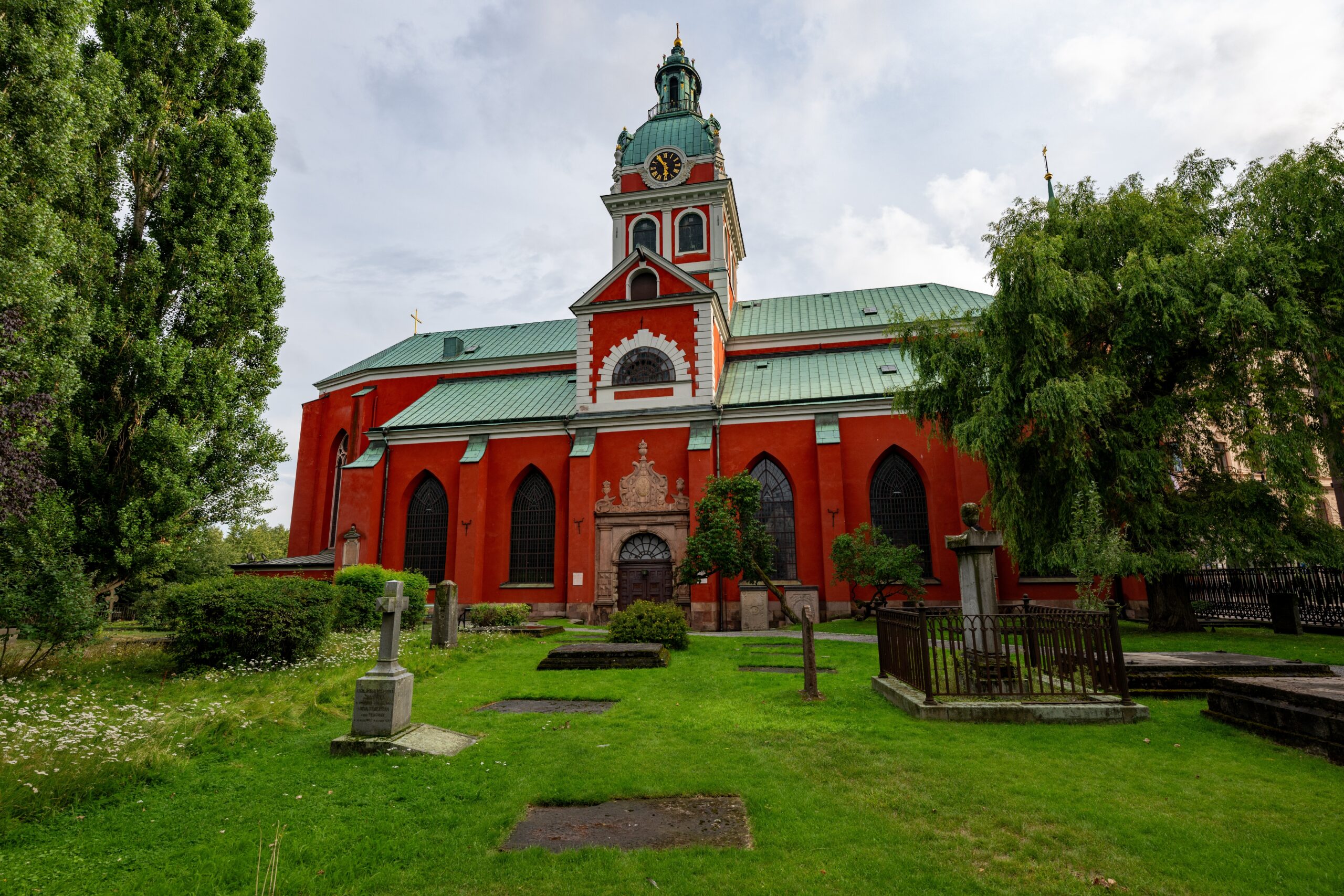
Saint Jacob (James) church in Stockholm, Sweden

Kristi Himmelsfรคrdsdag in Sweden: A Red Day, a Long Weekend and a Useful Swedish Word to Know

What is Kristi Himmelsfรคrdsdag?

If you are learning Swedish, sooner or later you will come across the long word Kristi himmelsfรคrdsdag. In English, it means Ascension Day.

In Sweden, Kristi himmelsfรคrdsdag is a rรถd dag, which means a public holiday or literally a โ€œred dayโ€. Public holidays are often called rรถda dagar in Swedish because they are traditionally marked in red in calendars.

For many people in Sweden, this day is associated with spring, extra time off and, quite often, the possibility of a longer weekend.

When is Kristi Himmelsfรคrdsdag?

Kristi himmelsfรคrdsdag is a movable holiday, which means that it does not fall on the same calendar date every year.

It is celebrated 40 days after Easter Sunday and therefore always falls on a Thursday.

In 2026, Kristi himmelsfรคrdsdag falls on Thursday, 14 May.

Why is it celebrated?

In the Christian tradition, Ascension Day commemorates the day when Jesus is believed to have ascended into heaven after his resurrection. According to Christian belief, this took place after he had appeared to his followers during the 40 days following Easter.

So, while Easter is connected to the resurrection of Jesus, Kristi himmelsfรคrdsdag specifically refers to the Ascension.

โ€œKristi flygareโ€ โ€“ a more informal name

You may also hear the humorous or informal expression Kristi flygare in Swedish. This is a playful way of referring to Kristi himmelsfรคrdsdag, connected to the idea of โ€œflyingโ€ or โ€œgoing upโ€.

For Swedish learners, this is a good example of how Swedes sometimes shorten or play with long words in everyday language.

Useful Swedish vocabulary

Here are a few words and expressions worth learning:

Kristi himmelsfรคrdsdag –Ascension Day
rรถd dag- public holiday
helgdagholiday / public holiday
pรฅskEaster
pรฅskdagenEaster Sunday
torsdagThursday
ledighettime off
lรฅnghelglong weekend
klรคmdaga โ€œsqueeze dayโ€ between a holiday and the weekend

The word klรคmdag is especially useful. Since Kristi himmelsfรคrdsdag always falls on a Thursday, many people take the Friday off as well. This creates a four-day weekend. In Swedish, that Friday is often called a klรคmdag.

Why culture helps you learn Swedish

Learning a language is not only about grammar and vocabulary. It is also about understanding how people live, work, celebrate and communicate.

Swedish holidays such as Kristi himmelsfรคrdsdag help learners understand everyday references in conversations, workplace calendars, school schedules and public announcements. If you live in Sweden, work with Swedish colleagues or plan to use Swedish professionally, knowing these cultural terms can make communication much easier.

At InterLanguage, our Swedish courses are built around structured language development, personal attention and practical communication. Learners can study Swedish from beginner to advanced levels in a CEFR-based module system, with individual or small-group options.

A short language tip

The word himmelsfรคrdsdag may look difficult at first, but you can break it down:

himmel = heaven / sky
fรคrd = journey / travel
dag = day

So, Kristi himmelsfรคrdsdag can be understood as โ€œChristโ€™s journey-to-heaven dayโ€.

Breaking long Swedish words into smaller parts is one of the most useful strategies for adult learners.

You can check Swedish word meanings, spelling and pronunciation on svenska.se, the official dictionary portal of the Swedish Academy.  

Final thought

Kristi himmelsfรคrdsdag is more than just a date in the Swedish calendar. It is a useful cultural and linguistic topic for anyone learning Swedish. It teaches you about Swedish public holidays, Christian traditions, everyday expressions and even the Swedish habit of creating long compound words.

And next time you see rรถd dag in a Swedish calendar, you will know exactly what it means.

Sรกmi National Day: Understanding Swedenโ€™s Indigenous Culture

Every year on 6 February, the Sรกmi people โ€” the Indigenous people of northern Scandinavia and parts of Russia โ€” celebrate Sรกmi National Day, commemorating the first international Sรกmi congress held in Trondheim, Norway, in 1917. This historic gathering brought Sรกmi representatives together across national borders to discuss common challenges and aspirations, marking the start of a shared political and cultural journey.

Although the day was not formally recognised until 1992, when the Sรกmi Conference passed a resolution establishing 6 February as Sรกmi รกlbmotbeaivi (Sรกmi National Day), its commemoration has grown steadily across Sรกpmi โ€” the transnational Sรกmi homeland extending over Norway, Sweden, Finland and Russia.

Why It Matters Today

Sรกmi National Day is far more than a cultural festival. It stands as a symbol of resilience, community and linguistic diversity. The Sรกmi languages โ€” which include several distinct tongues such as Northern Sรกmi, Lule Sรกmi and Southern Sรกmi โ€” are among the oldest spoken in Europe and form an intrinsic part of Sรกmi identity. Sweden formally recognised Sรกmi languages as official minority languages in 2000, reinforcing efforts to preserve and revitalise them.

Flag-raising ceremonies, cultural performances, storytelling and gatherings are typical on this day. Across Sweden, institutions such as museums and cultural centres hold events to highlight Sรกmi traditions, music and artisanal crafts, inviting both Sรกmi and wider audiences to participate.

A Reflection on Language and Identity

For language learners and cultural professionals, Sรกmi National Day offers a moment to reflect on the importance of linguistic pluralism. It complements celebrations such as International Mother Language Day by reminding us that language is not merely a communication tool โ€” it is a vessel of heritage, worldview and collective memory.

Recognising and learning about Indigenous cultures like the Sรกmi enriches our understanding of Swedenโ€™s cultural landscape beyond the majority language, fostering deeper empathy and more nuanced intercultural competence.

Semla โ€“ Swedenโ€™s Most Beloved Seasonal Pastry

One of Swedenโ€™s most cherished culinary traditions is the semlaโ€”a classic pastry that appears each year in late winter and signals the arrival of Fettisdagen, also known as Shrove Tuesday. Deeply rooted in history and culture, the semla is far more than a sweet treat; it is a symbol of celebration before the fasting period leading up to Easter.

A semla is a soft wheat bun filled with almond paste and whipped cream, traditionally dusted with powdered sugar.

What Is Fettisdagen?

The word Fettisdagen literally means โ€œFat Tuesday,โ€ reflecting its original purpose. In Christian tradition, it marked the final day of indulgence before the 40-day Lenten fast. During this period, people were expected to eat modestly and abstain from rich foods, making Fettisdagen the perfect opportunity to enjoy something hearty and indulgentโ€”like a semla.

Although Fettisdagen is not a public holiday in Sweden, it is widely celebrated. Many workplaces and schools mark the day by treating colleagues and students to semla, offering a welcome moment of sweetness in the dark winter months.

A Brief History of the Semla

Semlor have been eaten in Sweden since the Middle Ages. The earliest versions were quite different from todayโ€™s pastry and were known as hetvรคgg: a wedge-shaped bun filled with almond paste and served in warm milk.

The modern semlaโ€”filled with almond paste and whipped cream and topped with powdered sugarโ€”became popular in the mid-20th century. In fact, semlor were once taken so seriously that selling them too early in the year was prohibited by law. Only as Fettisdagen approached were bakeries allowed to offer them to customers.

A Living Tradition

Today, Swedes consume around 50 million semlor every year, and the tradition continues to evolve. In recent years, creative and innovative variationsโ€”often called semmel hybridsโ€”have appeared in bakeries across the country.

One of the most famous modern twists was introduced in 2015, when Tรถssebageriet launched the semmelwrap. Created by bakery owner Mattias Ljungberg, this playful reinterpretation sparked a nationwide trend and inspired bakers to develop their own unique versions of the classic semla.

Jokkmokk Winter Market: A Living Tradition of Northern Sweden

Every February, the small town of Jokkmokk in northern Sweden becomes the centre of one of the countryโ€™s oldest and most remarkable cultural events: the Jokkmokk Winter Market (Jokkmokks marknad).

The market was established more than 400 years ago and originally served as a practical meeting and trading place rather than a festive event. It was primarily an opportunity for the Sรกmi people to gather, exchange goods, and maintain social ties. Although it was not a celebration in the modern sense, people still wore their traditional festive clothing, highlighting the cultural importance of the occasion.

At the same time, the Swedish state played a strategic role in the creation of the market. King Karl IX and his officials wanted to inspect the goods traded by the Sรกmi population in order to collect taxes more efficiently. The local priest also used the opportunity to address the community from a religious perspective. To ensure control and organisation, the market was deliberately scheduled during the coldest period of the year. In the extreme winter conditions, people were forced to stay close to indoor spaces and warmth, making supervision easier.

Although this history may sound almost fictional today, historical sources confirm that economic reasons were central to the establishment of the market. At the time, Sweden was involved in several wars across Europe, and increased tax revenue was necessary to finance them. As a result, Jokkmokk became the location of a winter market held in the harsh Arctic climate.

Today, the Jokkmokk Winter Market always begins on the first Thursday of February and lasts for three days. Jokkmokk itself has fewer than 3,000 inhabitants, yet during the market the town welcomes approximately 30,000 to 40,000 visitors from Sweden and abroad. What began as a controlled trading post has evolved into a major cultural event celebrating Sรกmi traditions, handicrafts, music, food, and northern Swedish heritage.

International Mother Language Day โ€“ 21 February 2026

International Mother Language Day, observed annually on 21 February, was proclaimed by UNESCO to highlight the importance of linguistic diversity, cultural heritage, and language rights worldwide.

For a language school, this day carries particular significance: languages are not only tools for communication, but also bridges between cultures and foundations of lifelong learning.

Why is mother tongue education important in multicultural societies?

A personโ€™s mother tongue shapes identity, thinking, and cultural belonging. International research and educational policies consistently show that strong mother tongue skills:

  • support overall academic success,
  • facilitate the acquisition of additional languages,
  • strengthen confidence and intercultural awareness.

In multicultural environments, recognising and valuing learnersโ€™ first languages is essential for inclusive and effective education.

How does multilingualism support learning?

Multilingualism offers well-documented cognitive benefits. It enhances memory, problem-solving abilities, and mental flexibility. Learners who consciously build on their mother tongue while studying foreign languages often develop a deeper understanding of linguistic structures and communication strategies.