If you are learning Swedish, cultural events are a great way to expand your vocabulary and understand everyday life in Sweden. One interesting example is Vätternrundan, a famous cycling event that takes place every June in Sweden.
Vätternrundan is known as the world’s largest recreational cycling event. It is not a professional race in the traditional sense, but a major endurance challenge where thousands of cyclists ride around Lake Vättern, one of Sweden’s largest lakes. The classic Vätternrundan is 315 km long and starts and finishes in the town of Motala.
What is Vätternrundan?
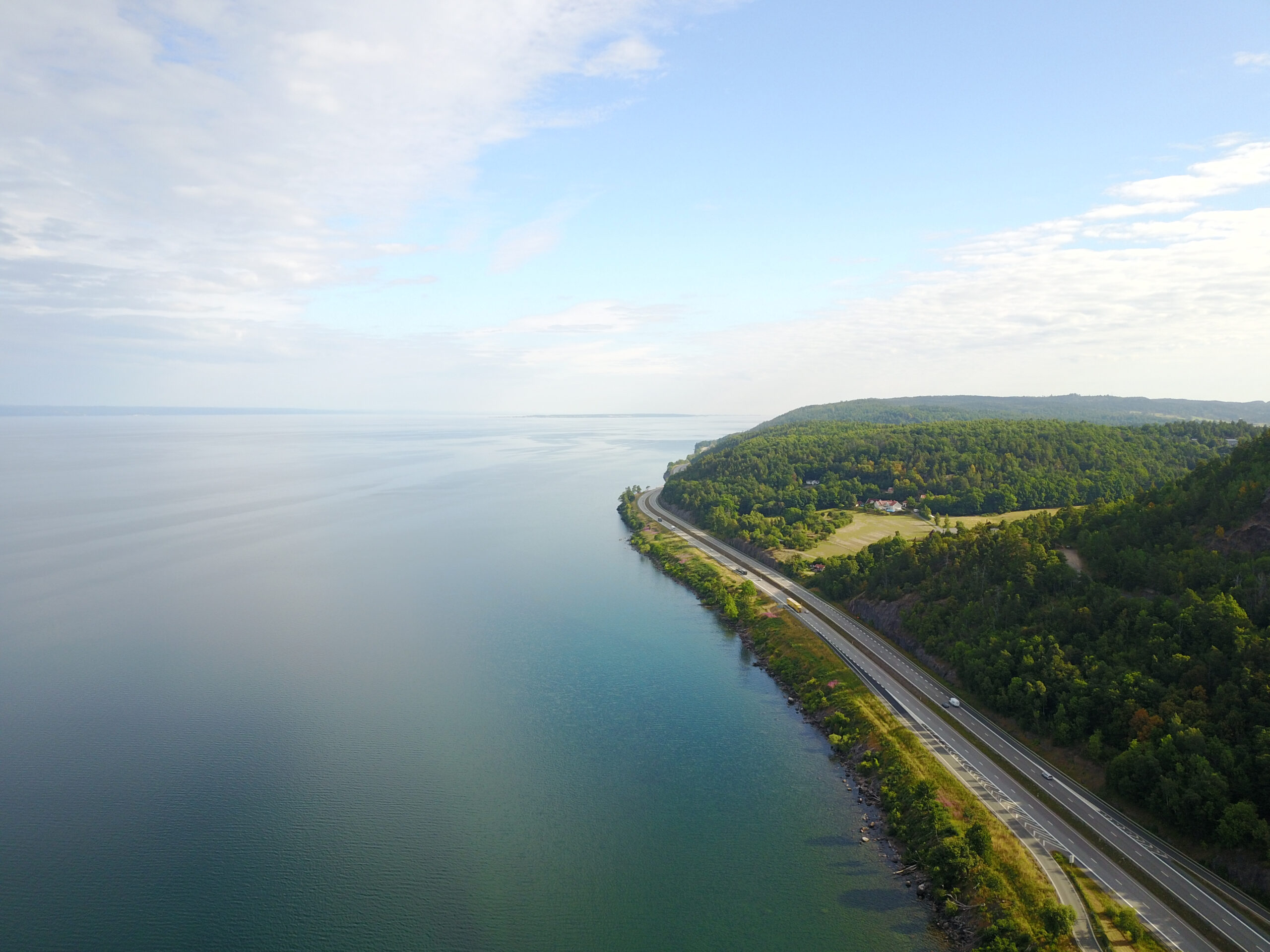
The name Vätternrundan can be understood as “the round around Vättern”. It refers to cycling around Lake Vättern, a long and beautiful lake in southern Sweden.
The classic event is held in June every year, when participants from Sweden and many other countries gather in Motala to take part in this unique long-distance cycling experience. According to the official Vätternrundan website, the event is part of En Svensk Klassiker, one of Sweden’s best-known endurance sport challenges.
For adult Swedish learners, this is a useful cultural topic because it connects sport, geography, Swedish compound words and everyday vocabulary.
Is Vätternrundan a race?
Although Vätternrundan is often described as a cycling event or cycling challenge, it is not mainly about competing against others. The official website describes it as a challenge that requires preparation and determination, rather than a traditional race.
That makes Vätternrundan a very Swedish kind of event in many ways. It is about movement, endurance, nature, community and personal achievement. Thousands of people take part not because they are professional athletes, but because they want to challenge themselves.
This makes the Swedish word motion useful to know. In Swedish, motion often means physical exercise or recreational sport, not “motion” in the English sense of movement only.
Part of En Svensk Klassiker
Vätternrundan is also part of En Svensk Klassiker, a Swedish endurance challenge where participants complete several classic events within a 12-month period. The official En Svensk Klassiker website describes it as a challenge that includes skiing, cycling, swimming and running, with the goal of encouraging exercise and training throughout the year.
This is a good example of how important outdoor life and physical activity are in Swedish culture. Sport is not only seen as competition, but also as a way to build health, motivation and community.
Why is Vätternrundan internationally popular?
Vätternrundan attracts participants from all over the world. The event is internationally known, and its popularity means that places can be in very high demand.
The route, the atmosphere and the challenge itself all contribute to its reputation. Riding around Lake Vättern is not only a physical achievement; it is also a way to experience Swedish nature, small towns, long summer evenings and the special light of June in Scandinavia.
For many international participants, Vätternrundan is more than a cycling event. It is a Swedish cultural experience.
Useful Swedish vocabulary: cycling and sport
Here are some useful Swedish words connected to Vätternrundan:
| Swedish | English |
|---|---|
| en cykel | a bicycle |
| att cykla | to cycle |
| ett cykellopp | a cycling event / race |
| ett motionslopp | a recreational sports event |
| en deltagare | a participant |
| en startplats | a starting place / entry spot |
| en sjö | a lake |
| en utmaning | a challenge |
| uthållighet | endurance |
| träning | training |
| gemenskap | community |
These words are useful not only when talking about Vätternrundan, but also for everyday conversations about exercise, health, hobbies and Swedish summer activities.
Language tip: Swedish compound words
Swedish often creates long words by combining shorter words. Vätternrundan is a good example.
Vättern = Lake Vättern
rundan = the round / the tour
So, Vätternrundan means something like “the round around Vättern”.
Another useful word is:
cykellopp
cykel = bicycle
lopp = race / event
And:
motionslopp
motion = exercise / recreational sport
lopp = race / event
Once you learn to break Swedish compound words into smaller parts, they become much easier to understand.
Cultural insight: Swedish summer and outdoor life
Vätternrundan takes place in June, a special month in Sweden. The days are long, the evenings are bright, and many cultural and sporting events happen during this period.
For Swedish learners, June is a useful month to know because it is connected to several important words and traditions:
| Swedish | English |
|---|---|
| juni | June |
| sommar | summer |
| ljusa kvällar | bright evenings |
| natur | nature |
| friluftsliv | outdoor life |
| midsommar | Midsummer |
The word friluftsliv is especially important in Swedish culture. It means outdoor life or spending time in nature, and it reflects a broader cultural value: being active outside, enjoying nature and taking care of one’s health.
Why cultural topics help you learn Swedish
Learning Swedish is not only about grammar. It is also about understanding the people, traditions, geography and everyday topics that appear in real conversations.
A topic like Vätternrundan helps learners practise:
sports vocabulary,
dates and months,
geographical words,
compound nouns,
expressions about hobbies,
and cultural understanding.
For adult learners, this is especially useful because it connects language learning with real-life Swedish society. If you work with Swedish colleagues, move to Sweden, read Swedish news or speak with Swedish friends, topics like Vätternrundan may appear in everyday conversations.
Learn Swedish through real cultural topics
At InterLanguage, we believe that language learning becomes more meaningful when grammar and vocabulary are connected to real situations. Swedish cultural topics such as Vätternrundan, Midsummer, public holidays and everyday traditions can help learners build vocabulary while also understanding Swedish society.
If you would like to improve your Swedish step by step, our online Swedish courses from beginner to C1 level can help you build a strong foundation in grammar, vocabulary and practical communication.
Conclusion
Vätternrundan is more than a cycling event. It is a Swedish summer tradition, a physical challenge, an international meeting point and a great example of how sport, nature and community are connected in Swedish culture.
For Swedish learners, it is also a useful language topic. Through Vätternrundan, you can learn words connected to cycling, sport, geography, summer and Swedish compound words.
And next time you hear the word Vätternrundan, you will know that it means much more than a bike ride around a lake — it is a true Swedish classic.
Ready to continue learning Swedish? Contact us to find the right Swedish course for your goals.